Inclusion demands

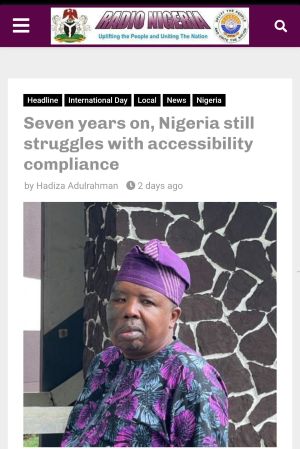
Denied, Humiliated, excluded: The Cost of Being Visually Impaired in Nigeria

In Nigeria, losing your sight too often comes with something far worse than blindness: the loss of dignity. Across exam halls, hospital corridors, and government offices, visually impaired citizens are routinely denied basic accommodations, shamed for seeking help, and systematically shut out of opportunities that others take for granted.

This is not a story of personal tragedy or misfortune—it is a damning indictment of a system that treats disability as a nuisance, not a matter of rights.

Uche Olivia, A Visually Impaired Nurse Alleges Discrimination at Federal Neuropsychiatric Post Basic Mental Health Nursing School, Enugu

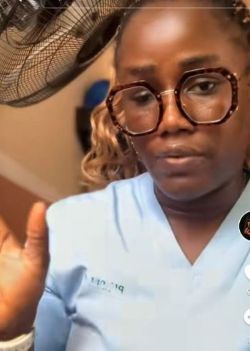
Uche Olivia, a registered nurse licensed in 2022, says she experienced this cruelty firsthand. Diagnosed in October 2024 with optic nerve atrophy—a condition causing severe vision loss—she was determined to specialize in mental health nursing. But her ambition collided with a rigid, unaccommodating system.

In a video that went viral in 2025, Uche alleged that the Federal Neuropsychiatric School of Post-Basic Mental Health Nursing, Enugu, denied her reasonable accommodations during its entrance examination. She had formally requested large-print question papers, a reader, or extra time—and followed up days before the exam.
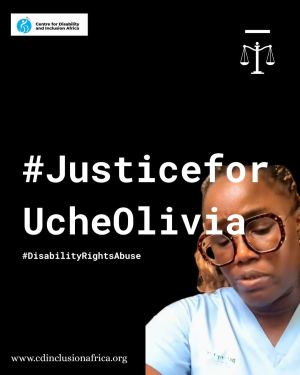
On the morning of the test, Uche arrived before 8:00 a.m., only to find that accreditation began two hours later, and the exam itself did not start until about 5:00 p.m.a reflection, she says, of a system that thrives on waste and disorganization.

Despite repeated reminders to examiners of her condition, no accommodations were provided. When she sought help during the exam, an examiner allegedly told her: “If you knew you were not able to read, why did you come to school or apply?” The encounter left her in tears.

Later, when Uche met with the provost and offered to present her medical documentation, she claims she was dismissed and advised to: “Answer the ones you can see, leave the ones you cannot.”

Humiliated and discriminated against, Uche is now seeking admission to a more inclusive institution while urging authorities to investigate the barriers faced by persons with disabilities across Nigeria’s education system.

At the time of publication, the Federal Neuropsychiatric School had not responded to repeated requests for comment.

Nigeria’s Law is Clear

The law leaves no room for ambiguity: denying visually impaired candidates accommodations is illegal.

The 1999 Constitution guarantees equal educational opportunities and prohibits discrimination. The Discrimination Against Persons with Disabilities (Prohibition) Act, 2018 goes further, mandating inclusive education and reasonable accommodations in all learning and assessment processes.

Candidates are entitled to Braille or large-print papers, audio or electronic formats, approved scribes, extended exam time, quiet venues, and the use of assistive devices. Denial of these accommodations is not merely administrative it is a punishable offense.

“Keeping quiet without punishment is inappropriate. Today it is Uche Olivia, tomorrow it can be another person,” said Susan Ihouma Kelechi, a disability advocate.

Voices of rage, Advocates and Experts React

Leaders of the Joint National Association of Persons with Disabilities (JONAPWD) condemned the school’s treatment of Uche.

Abdullahi Usman, National President, described it as “a display of ignorance in a federal institution. The law is explicit about reasonable accommodations for visually impaired candidates. We will investigate and ensure the highest authorities act.”

State chairpersons echoed the sentiment. Ondo State’s Olusegun Abiodun called it “inhuman treatment” and demanded swift action. Bayelsa State’s Mayo Ekpomomukor said: “Everyone has the right to education. The school must apologize and implement policies to prevent future injustices.”

Yusuf Olatunji and Susan Kelechi, both leading disability advocates condemn the act as a sign of a system that continued to be rigid when the whole world is moving fast in its inclusion journey. “How do we continue to deny visually-impaired and other PWDs their rights and assume nothing is wrong” both of them echo.

Dapo Taiwo, National President of Association of Assistive Technology Professionals berate the school, if act still took place in 2025, as there is no legitimate reason when every institution can receive help necessary from relevant organizations so they can better serve their potential students”

Disability advocates and lawyers, including Felix Areo and Salami Abolarinwa, emphasized the legal obligations schools owe. Areo, visually impaired himself, said: “This sends the wrong signal from a federal institution. Denial of accommodations should be challenged legally, and oral exams or assistive measures should have been options.”

Barrister Abolarinwa cautioned that some details needed verification but added: “Even with missing information, there is a clear element of discrimination and denial of rights against Uche Olivia. She was not given a fair chance as the law demands.”

Government Officials Speak Out

Special Assistants on Disability Inclusion in Osun and Bayelsa states, including Oladosu Olatunbosun and Mayo Ekpomomukor, criticized the federal institution’s actions. Princess Folashade Arise, Ondo State Chairperson for Welfare of Persons with Disabilities, expressed frustration: “Why are we still discussing discrimination and abuse of rights in this age? It is disheartening and base.”

Who Must Act and Why It Matters

Visually impaired Nigerians face routine exclusion from exams and professional assessments. Educational institutions must institutionalize disability support, professional bodies must enforce clear accommodation protocols, and regulators and ministries must stop issuing hollow circulars. The National Commission for Persons with Disabilities must act decisively.

The media, too, has a role: disability must be reported as a rights issue, not charity.

A candidate asking for Braille, assistive technology, or extra time is not seeking an unfair advantage they are demanding fairness. Until Nigeria treats inclusive assessment as central to education, claims of progress remain hollow. Disability is not inability. Exclusion is.
READ MORE
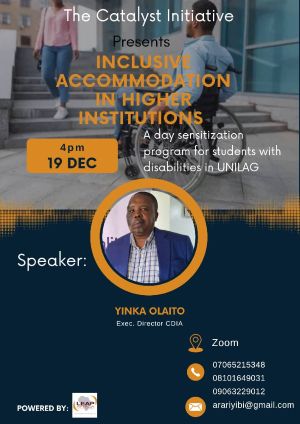
Inclusive Accommodation in Nigerian higher Institutions

From Access to Inclusion: Nigeria Universities Must Uphold Disability Rights

Inclusive accommodation within Nigeria’s university system is not an act of charity it is a fundamental human right. Once an institution makes the decision to admit a student with a disability, that decision must automatically translate into full inclusion across academic, social, and residential life. Any form of exclusion or denial of these rights is unacceptable in this day and age and must be firmly discouraged.

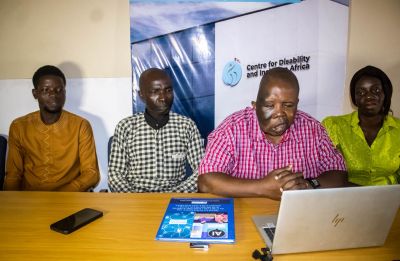
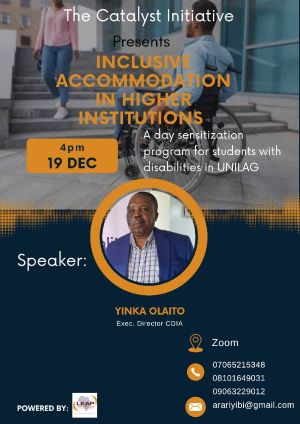
These were some of the key concerns raised by Yinka Olaito, Executive Director of the Centre for Disability and Inclusion Africa (CDIA), during a stakeholders’ meeting convened for students with disabilities at the University of Lagos by The catalyst initiative. The meeting, themed “Inclusive Accommodation in Nigeria’s Higher Institutions,” brought together students, advocates, and disability cluster leaders, with Olaito serving as the lead speaker.

Advocating for Accessible Campus Accommodation

The session focused on the urgent need to improve accessibility and inclusion for students with disabilities within university hostels and campus infrastructure. Discussions explored practical steps such as the establishment of disability-focused units or groups within institutions to address accommodation gaps, policy failures, and systemic barriers.

Olaito emphasized the importance of:Clear and enforceable inclusive accommodation policies, strong legal and institutional frameworks and disability awareness and sensitivity training for university staff and students

Participants were encouraged to assert their rights, demand accountability from university authorities, and work collectively toward the establishment of functional disability desks across campuses. A key outcome of the discussion was a call for the formation of a unified association representing students with disabilities within the university system.

Inclusive Education and Legal Frameworks

Speaking on inclusive education in Nigerian universities, Olaito underscored that students with disabilities have an equal right to access, participation, and dignity. He highlighted the need for coordinated institutional policies, accessible facilities, and the removal of physical, academic, social, and digital barriers that continue to limit participation.

He also pointed participants to existing legal instruments including the Discrimination Against Persons with Disabilities (Prohibition) Act, 2018, as well as relevant international conventions ratified by Nigeria—as powerful tools students can use to advocate for their rights.

The Reality of Disability Accommodations on Campus

Assessing the current state of accommodations in Nigerian universities, Olaito noted that provisions remain largely below acceptable standards. Essential supports such as accessible learning materials, assistive technologies, extended examination time, and disability-friendly hostels are either inadequate or completely absent in many institutions.

He further stressed the importance of disability awareness training to help staff and students better understand the diverse needs across different disability clusters. Anti-discrimination policies, inclusive student activities, and clear reporting mechanisms for rights violations were identified as critical steps toward meaningful inclusion.

Strengthening Disability Structures in Universities

Olaito also called for the institutionalization of disability inclusion through the creation of disability desks and the appointment of dedicated inclusion officers within universities. These structures, he noted, are essential for providing sustained support and ensuring compliance with national and international disability rights standards.

Contributions from student leaders added further depth to the discussion. Ajibade Oluwaseyi, a former president of the National Association of Nigerian Visually Impaired Students, spoke on ongoing efforts to establish a unified association for all students with disabilities at the University of Lagos. Falola, representing students with mobility challenges, emphasized the need for stronger representation and awareness for physically challenged students.

The session concluded with a call for participants to complete a questionnaire and provide feedback to help guide future advocacy and programming.

The Way Forward: Collaboration and Collective Action

In outlining next steps, Olaito emphasized the importance of collaboration in establishing a strong and representative Students with Disabilities Association at the University of Lagos. He reaffirmed CDIA’s commitment to working closely with students and university authorities to achieve this goal.

READ MORE
Ai and inclusive Education for Learners with Disabilities in Nigeria report

Admitted should mean being Included, SWDs are…

Inclusive accommodation in Nigerian higher institutions is about equal access designing campuses, learning systems, and support services that work for all students, regardless of physical status, including students with disabilities. It is well established that disability itself does not hold people back; rather, discrimination and systemic barriers are what prevent individuals from pushing the limits of their innate abilities.

Nigeria’s higher institutions remain a source of concern for many students with disabilities and, by extension, disability inclusion nonprofits such as the Centre for Disability and Inclusion Africa (CDIA). While other African countries, including South Africa and others, are making measurable progress in ensuring that education is accessible to young people with disabilities, many Nigerian campuses remain backward and largely inaccessible.

Over time, the Centre for Disability and Inclusion Africa has sent passionate appeals to the leadership of frontline universities across Nigeria, urging them to establish and implement protocols that can accelerate the development of inclusive campuses. Unfortunately, responses to these efforts have largely been lukewarm. In response, we shifted focus to empowering a small number of students with disabilities building their confidence incrementally so they can make bold, informed requests as legitimate stakeholders within their institutions. Even this approach has not yielded the level of progress or speed we had hoped for.

We now have another opportunity to elevate this conversation. Our Executive Director will be leading a critical dialogue as part of a project by The Catalysts Initiative an association of young people committed to building an inclusive society. The event is scheduled to hold on Friday, 19 December 2025, at 4:00 p.m., via Zoom.

A key message we intend to promote among participants is that when Nigerian higher institutions raise the bar on inclusive accommodation, the entire system benefits. It advances equity and dignity, enhances academic success, fosters independence and active participation, and—most importantly ensures that Nigerian higher institutions meet their legal obligations and ethical responsibilities.

READ MORE

Inclusion Can’t Wait, Yinka Olaito Presses Nigeria to Act

As the world marks the International Day of Persons with Disabilities (IDPD), global attention has once again shifted to the rights, dignity and full participation of the 1.3 billion people living with disabilities. Observed annually, the day underscores the need for an inclusive society where persons with disabilities are not only recognized but actively involved in political, social, economic and cultural development.

This year’s commemoration reinforces the United Nations’ call for increased awareness of disability issues and stronger action towards accessibility and equal opportunity.

As passionate organizer and individuals, at the Centre for Disability and inclusion, our major focus is often to use the day, through media advocacy, media appearances to deepen public understanding of the diverse experiences of persons with disabilities while mobilizing support for policies that enhance their well-being.

Some of our organization’s mission for the day, driven by Yinka Olaito is to draws global attention to the value of integrating people with disabilities into all areas of life from governance and employment to education, technology and community development. Beyond this, the use of media platforms with Millions of reach is to amplify the leadership and voices of persons with disabilities in decision-making. Yinka Olaito stressed “Stakeholders must continue to insist that meaningful representation rather than token engagement is required to break long-standing barriers, reduce discrimination and ensure full participation in society”.

Yinka Olaito “Cautions that the world cannot attain sustainable development without intentional inclusion, stressing that progress must be measured by how well the most marginalized are supported and empowered”.

About IPWD Day 2025

As activities hold across countries, IDPD stands as a global call to action urging governments, institutions and communities to drive policy reforms, remove systemic barriers and create societies where persons with disabilities can thrive, lead and shape their own futures

READ MORE
Accessibility Audit and Design

“Accessibility issue should not be a lip service but central to any design”- Oladotun Busola

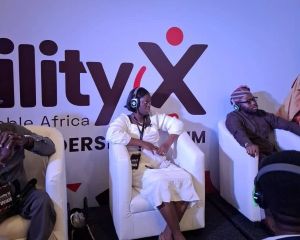
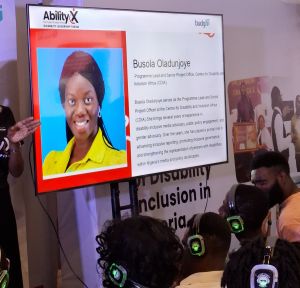
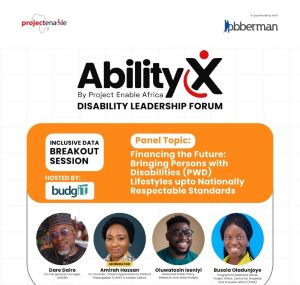
The air carried a quiet sense of purpose as participants  gathered to mark the 2025 International Day of Persons with Disabilities. It wasn’t just another commemoration it was the birth of something fresh, bold, and necessary. Project Enable Africa and Jobberman Nigeria initiated the maiden edition of AbilityX 1.0, a convening that dared to ask what the future of disability inclusion in Nigeria should truly look like.

The theme: “The Future of Disability Inclusion in Nigeria.” has Busola Oladotun, our Senior Program lead as our one the speakers as a panelist during one of the breakout sessions, moderated by BudgIT, titled “Financing the Future: Bringing Persons with Disabilities’ Lifestyle Up to Nationally Respectable Standards.”

The conversation underscored a critical message: achieving a dignified and nationally comparable standard of living for Persons with Disabilities (PWDs) requires intentional investment. We advocated that at least 1% of government budgets at federal, state, and local levels be dedicated to disability inclusion. We also proposed that accessibility audits be institutionalized as a legal requirement carried out before, during, and after the execution of public projects and programmes. Furthermore, the session highlighted the need for evidence-based advocacy as a tool for driving sustainable reform.

The engagement was both enlightening and inspiring a commitment to confronting systemic barriers and advancing disability inclusion in Nigeria.

Together, we confronted a simple but powerful truth:
if Persons with Disabilities are ever to live with dignity and equity, the nation must commit more than sympathy it must commit resources. We agreed that at least one percent of government budgets across all tiers should be allocated to disability inclusion, not as charity, but as a right. We also pushed for accessibility audits to become mandatory before, during, and after every programme and project with legal backing to ensure compliance. Evidence-based advocacy, we reminded ourselves, must guide the journey ahead.

READ MORE
DEI Policy in Nigeria

CDIA Flags Critical Gaps at Ogun State DEI Bill, Commission Public Hearing

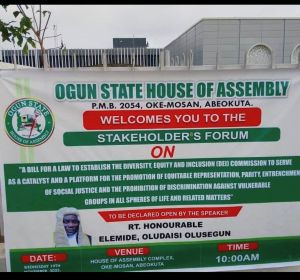
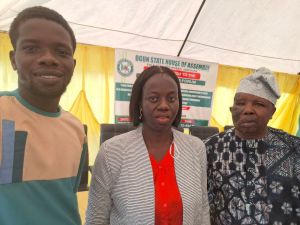
Centre for Disability and Inclusion Africa, committed to shaping policy and advancing the human rights of persons with disabilities across Nigeria and Africa, actively participated in the Ogun State House of Assembly’s public hearing on the proposed Diversity, Equity and Inclusion Bill and the establishment of a corresponding Commission on Wednesday, November 19, 2025, highlighting several critical loopholes in the bill—intended to protect women, children, persons with disabilities, and other vulnerable groups—which the Centre and other stakeholders strongly raised for review.

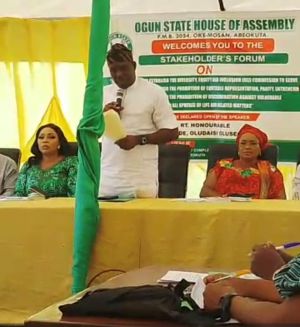
Hon Elemide olusegun, Ogun State House of Assembly Speaker, Sitting- Hon. Bakare omoloa, Chairman Women Affairs committee Ogun state house of Assembly 9In green native dress and Deputy Speaker and sponsor of the bill- Rt. hon. Ajayi Lateefat

In his speech, The Speaker of the Ogun State House of Assembly, Rt, Hon. Elemide Olusegun Said “The house bill No. 023/OG/2025 which proposed a law to Establish the diversity, Equity and inclusion (DEI)Commission is to serve as  catalyst and platform for the promotion of Equitable representation, party entrenchment of social justice and the prohibition of Discrimination Against vulnerable Groups in all the sphere of life and related matters”. To Olusegun, the bill is borne out of the need to foster public orientation and encourage equity and inclusion of vulnerable people”

The Deputy Speaker of the House Rt. Hon. Ajayi Bolanle Lateefat who sponsored the bill in her own speech also maintained “As the sponsor of the bill, I believe the DEI Bill and commission will serve as a platform for change where the voices of the marginalized will be heard and thereby promote inclusive practice in governance and Social life”

The House Committee Chairman for Women Affairs, Hon. Bakare, Omolola Olanrewaju(mrs0 also affirmed “As the chairman, house committee on Women Affairs, I recognize the importance of this bill in addressing the systemic inequality and biases  that have long plagued our society the DEI Commission will serve as a platform for change, providing an avenue for marginalized voices to be heard and promoting inclusion practices in governance, economy and social life”

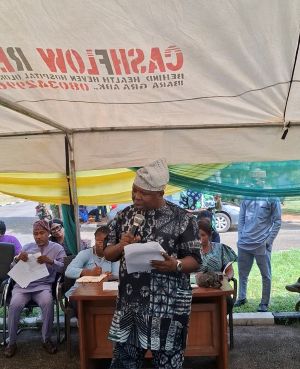
Yinka Olaito making his submission

In his submission at the public hearing, Yinka Olaito raised three fundamental issues that need consideration before the bill is passed and the commission established. The three issues are: suitability concerns and challenges associated with the proposed name and scope of the Commission,t he technical and conceptual risks of categorizing disability under “vulnerable groups”, including the implications for policy, perception, and rights protection and outlined, suggested sections within the bill that may work against disability inclusion if the House decides to proceed with the current name and structure of the DEI Commission.

CDIA TEam at the public hearing

According to Yinka Olaito, miscommunication may block legislative and public support when public and legislators frequently form opinions based on a bill’s title alone. Controversial interpretations may overshadow the bill’s real intent”. In addition, he also maintained “The bill’s actual purpose is broader and more accurately reflected under a different name as the central aim of the bill is to protect women, children, PWDs, and other socially excluded groups, issues better framed under social protection and human rights, not Western-style DEI constructs.

Another major issue according to Yinka Olaito is that “The DEI label may be perceived as foreign, so a precise name which reflect the context.” Comrade Yinka Folarin of the CDHR on his own submission argued “Why was there an urgent DEI bill when the Ogun state Disability and inclusion Bill which had been passed since 2017 is yet to be implemented.

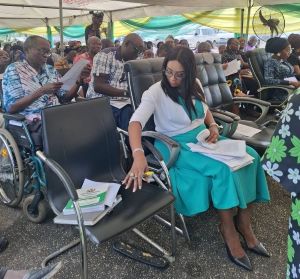
Members of the public/participants at the Public hearing

About, essence of public hearing

The primary purpose of a public hearing is to create an avenue for citizens to present information, insights, and opinions to government officials or committees on proposed decisions that may impact their community. These engagements strengthen transparency, accountability, and public participation, ensuring that government actions reflect the realities, needs, and concerns of the people.

Public hearings also serve key objectives that support effective governance. They enable officials to gather expert input and diverse perspectives, promote openness by making deliberations public, and provide a structured platform for citizens to express support, opposition, or questions. They further enhance accountability by allowing the public to scrutinize decisions and demand explanations where necessary. In cases such as zoning or land-use matters, public hearings also act as semi-judicial forums where affected parties can present grievances, evidence, or testimony related to the issue under consideration.

 N.B first published in Nigeria Grassroot News newspaper

READ MORE
British Council Language, Education and inclusion Conference 2025

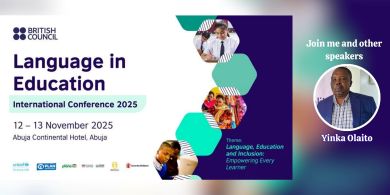
At British Council Language, Education and Inclusion conference CDIA advocates for Technology use

“The argument about mother tongue use in Nigeria coming up strongly at the this year’s conference to me is unnecessary if we have not settled the purpose or vision behind education in Nigeria. It is when we agree on what the foundation of education, which to me is literacy, is resolved we may not come to term with best approach to go”

“The fundamental purpose of education must begin with literacy (reading, speaking and listening). Language is a purveyor of knowledge and it is akin to identity, culture and class. When languages dies the culture of people die”

“To help strengthen language diversity for all learners, the use of technology, artificial intelligence here is important even though care must be taken so that technology should not deepen exclusion. “AI may not solve all language challenges, but ignoring minority languages will erode our diversity let’s ensure ai doesn’t deepen exclusion. Position AI as a “digital interpreter’ that promotes linguistic democracy in Classrooms”  

Above are some of the submissions of Yinka Olaito, CDIA Executive Director, during his presentation on “Technology As a catalyst for Language Diversity for All learners’ session

The British Council, in partnership with the Federal Government and leading development organizations, convened a high-level dialogue to push forward bold strategies for inclusive, equitable, and transformative education across West Africa.

This the conference tagged “Language in Education International Conference 2025, with the theme “Language, Education and Inclusion: Empowering Every Learner.”  Was attended by delegates from across sub–Saharan Africa, Asia  and United kingdom. The high-level event had in present Nigeria’s Minister of Education, Dr. Maruf Tunji Alausa, who in his speech underscored the urgency of stronger collaboration among educators, policymakers, and institutions to deliver quality education for every Nigerian child.

The conference which held between12–13 Novemberat the Abuja Continental Hotel.

Over two intense days of plenaries, workshops, keynotes, and panel debates, participants examined the central role of language in shaping inclusive education. Discussions explored foundational learning, improved teacher training, responsive pedagogy for multilingual classrooms, and the power of technology and equitable assessment tools to support diverse learners.

“Language is more than a medium of instruction; it is a cornerstone of inclusion,” said John Simpson, Senior Advisor, English and School Education Programme, British Council. “This conference allowed us to reimagine education systems that reflect Africa’s linguistic and cultural richness—and ensure every child can thrive.”

Speaking further, Julian Parry, Director of English Programmes, Sub-Saharan Africa, described the British Council as “a trusted partner to governments and institutions, drawing on evidence, global insights, and deep listening to support context-driven educational change.”

The event strengthened cross-sector partnerships, elevated language as a critical pillar of education reform, and set the stage for actionable recommendations on language policy, teacher development, and inclusive classroom practices.

About the Conference

The Language in Education International Conference 2025, hosted by the British Council in Abuja, convened national and international stakeholders to explore how language can unlock inclusive and equitable education systems globally. The full programme is available in the conference brochure.

The conference now in its eighth year was organized with in conjunction with UNICEF, Plan International, FCDO PLANE, Sightsavers, Save the Children, and Sterling One Foundation. It brought together global and regional stakeholders: policymakers, educators, researchers, and development partners united by a single mission advancing language-driven, learner-centred education systems.

READ MORE
Inclusion demands

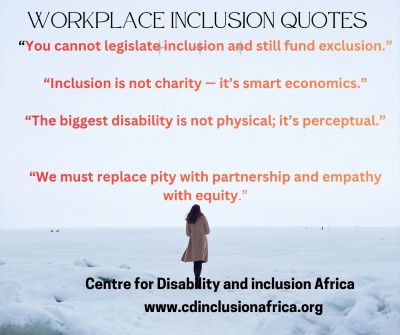
At October 2025 DRWS, experts warned “You cannot legislate inclusion and still fund exclusion.”

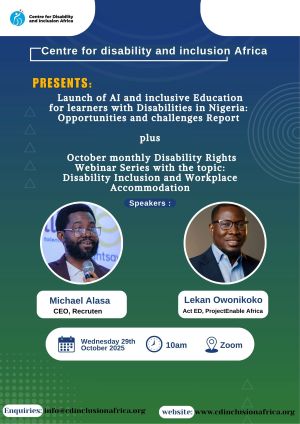
Centre for Disability and inclusion Africa’s October 2025 Disability Rights Webinar Series centred around National Disability Employment Awareness Month advocacy. The theme is “Disability Inclusion and Workplace accommodation?

A major concern of the organization is to advance the discourse on inclusive employment, showcasing success stories, and catalyzing action among stakeholders. Among the major objectives of this event are: To encourage employer’s public, private, non-profit to create equitable, accessible, and diverse workplaces as well as   to advocate for policy or institutional changes to reduce barriers and support reasonable accommodation and equal opportunity.

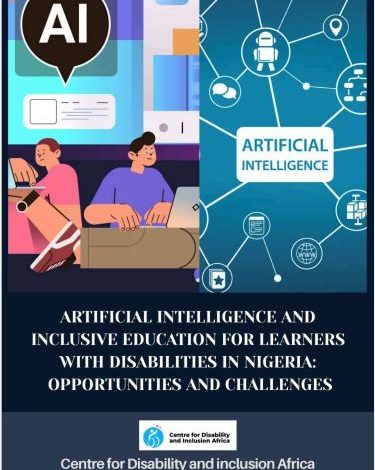
The event was preceded by the launch of ‘Ai and inclusive Education for learners with Disabilities in Nigeria report’. While opening the session, Busola Oladotun, the Senior Program officer of the Centre for Disability and Inclusion Africa maintained “The October edition of the monthly Disability Rights Webinar centered on workplace inclusion as part of National Disability Employment Awareness Month.

According to Busola. “The aim of this session is to establish a need for an equitable workplace so that persons with disabilities will overcome barriers such as stigma, discrimination, and inaccessible environments to excel academically and professionally”.

After this, Yinka Olaito, CDIA  Executive director, welcomed participants and charged them to give their 110% to the conversation of the day as the two speakers were well-suited to discuss the issue.

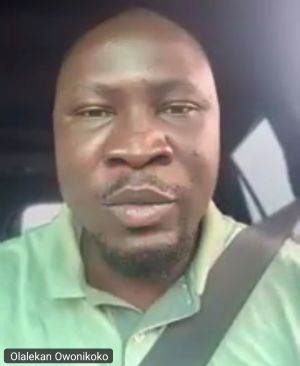
The first speaker, Olalekan Owonikoko, Acting Executive director of ProjectEnable in his speech maintained among others that Inclusion goes beyond compliance, leadership and policy are essential. There is need for inclusive career growth as well as a need to leverage technology as equalizer for a flexible work environment”

Olalekan Owonikoko

Owonikoko concluded “Building an inclusive, equitable, and accessible workspace is not charity or compliance but a strategic move

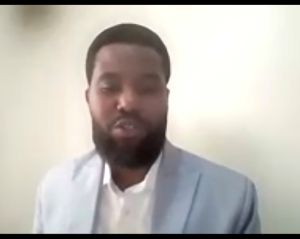
The second speaker, Michael Alasa, the CEO of Recruten consulting on his part stressed the need for workplace equity, diversity, accessibility and different sectors’ responsibilities in the game.

Michael Alasa

Michael Alasa in his call to action emphasized “Public sector should Integrate accessibility in policy design and infrastructure, Private sector mustmeasure and report inclusion outcomes while –Nonprofits: Practice representation, not advocacy alone. Finally, he advised all sectors must collaborate as inclusion cannot succeed if only one acts

To read full event report click Here or here https://www.linkedin.com/feed/update/urn:li:ugcPost:7389981184891637762/?actorCompanyId=104643128

READ MORE
Ai and inclusive Education for Learners with Disabilities in Nigeria report

Ai and inclusive Education for LWDs in Nigeria report launch

cenre for Disability and inclusion Africa today launched its much awaited ground breaking “Artificial Intelligence and inclusive Education for learners with Disabilities in Nigeria: Opportunities and challenges Report”.

Welcoming the participants, Busola Oladotun, Program lead of the Organization “Ai is already part of us and no one can overlook its impact, aligning its value will make life becomes easier in every area of life”

Giving the background of the report, Yinka Olaito, Executive director of CDIA said “I’ll just go through only the executive summary, and then we’ll go into the conclusion. So this is essentially what we want to do. But first of all, we want to appreciate in the acknowledgement page, we appreciate Dataphyte Foundation a major, major data company as well as an NPO which helped tremendously in achieving this project goal”

In addition, he maintained “The report summarizes the outcome of research by Center for Disability and Inclusion, exploring the possibility of artificial intelligence application to innovate inclusive education in Nigeria. We followed the updated national policy on inclusive education. The study was conducted to determine the specific challenges that learners with disability face and to assess the perceived use of AI as a measure of overcoming them. Various stakeholders were involved in the survey, with a high percentage, 68% of these people were persons with disabilities and learners with disabilities, 16% of these are special educators, and 12% are parents and caregivers. The involvement of policymakers, AI engineers was a bit low. We only have 2%, which is a significant deficiency in contact with a major group of the implementation and technological innovation.”

Barr. Salami Abolarinwa, JONAPWD, Lagos State chair

In his Remark, Barrister Salami Abolarinwa, Chairman, Joint Association of Persons with Disabilities, (JONAPWD)Lagos State Chapter said “ I am so delighted at this report with potentials to help push forward challenges of inclusive Education for Learners with Disabilities in Nigeria. I have worked, collaborated with the Centre in some projects and I valued their doggedness and dedication to their cause”.

In his remark, Hon Mohammed Abba isa, the Senior Special Assistant to the President on Special Needs and Equal Opportunities said “ We are happy with what you do , my office will drive the Implementation of this report with your organization”

Other dignitaries that sent it goodwill messages  Mayor Ekpomomukor, Senior Special Assistant to Bayelsa State Governor on Special Duties who also double as JONAPWD chairman in Bayelsa State, Special Assistant on Disability to Osun State Governor, Hon. Olanrewaju Oladosu as well as Mrs Treasure  Uchegbu, CEO SpeakingFingers Network

Staff of the centre at the Launch

You can Download a copy of the report here or click here https://www.linkedin.com/feed/update/urn:li:ugcPost:7389260161313480705/?actorCompanyId=104643128

READ MORE
Deaf Awareness campaign in Nigeria

CDIA Rallies Stakeholders to Advance Deaf Inclusion

There is no just society when a section of that society is left behind either by act of omission or ignorance. It was more than just another event; it was a gathering that breathed life into the vision of a truly inclusive society. 

The Centre for Disability and Inclusion Africa’s ‘Deaf Community Inclusion, Stakeholders Perspective’ event opened reaffirmed its mission to champion disability rights and create spaces where everyone belongs. The day, September 24, 2025, was not only about knowledge sharing but also about bridging divides, building empathy, and sparking a movement toward equal opportunities for persons with hearing disabilities.

The program unfolded like a tapestry of voices, signs, and shared experiences. Educational sessions set the stage, equipping participants with technology, knowledge of Sign language and practical ways to make schools, workplaces, public spaces more accessible and how the society in general can be totally inclusive without leaving anyone behind. For a few of the participants the event was their first encounter with deaf culture which offered them an opportunity to listen, learn, and unlearn misconceptions that often fuel exclusion.

In his welcome address, the Executive director, Yinka Olaito challenged the participants to place value on every human being irrespective of the body structure or disability status. “At the end, we are all human and no human being should be discriminated against as the fundamental human rights of every human being has no double face” Yinka Olaito said.

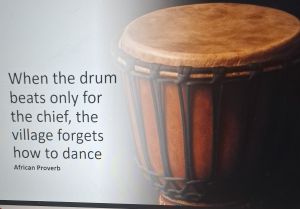
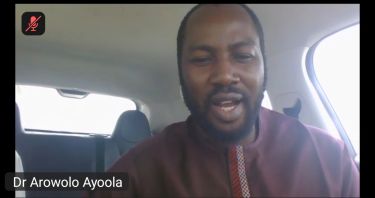
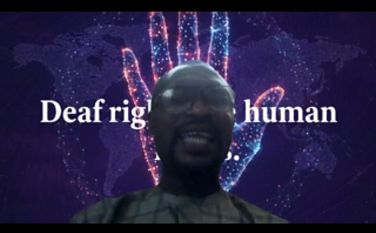
The first knowledge sharing session with the topic “Bridging the digital divide’ by Dr Arowolo Ayoola, Executive Director of deaf-in-tech, a social enterprise pushing for deaf inclusion through tech.  Dr Arowolo began by sharing a deep African proverb “When the drum beats only for the chief, the village forgets how to dance” as a foundation for his speech. According to him the society has and continues to fence out deaf community, albeit advertently or otherwise, as it seems to have forgotten language and communication is a fundamental right of every human which must be given attention.

According to Dr Arowolo ““The digital world, like the drum, was meant to unify, to set a rhythm that we all can move to. “Persons with disabilities, especially in Africa, often stand at the edge of the circle, watching others dance to a rhythm they cannot hear, access, or afford.” “This is not because they lack potential, it is because the system was never designed with them in mind.” “And that is what we call the digital divide.”

The lopsidedness and injustice towards the deaf community must be addressed and that is why advocacy programs and events like this must be stepped up.

Among other thought-provoking issues raised by Dr Arowolo Ayoola is ““When policies and technologies ignore diversity, they are not neutral, the designer has taken a side that oppresses the left out.”

But perhaps the most moving moments came from personal experience sharing of a member of the deaf community, Femi Adeosun, A deaf professional building career in Information communication technology as well as deaf inclusion advocate, Femi Adeosun maintained and challenged participants that the subject of deaf community inclusion audience, not as subjects of pity, but as deserved human right equity.

femi Adeosun

Femi also shared that the majority of the deaf community members are resilient individuals with power who through systemic barriers had become incapacitated. He drew examples of such barriers from inaccessible classrooms which are without interpreters, job interviews without accommodation, public services designed without accessibility in mind. 

Femi said “We must commend organization such as Centre for Disability and inclusion Africa with this inclusion drive for deaf community but that the journey is still far”

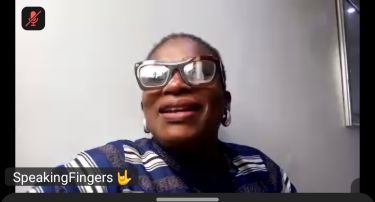
Treasures Uchegbu of SpeakingFingers Network on the other hand as speaker shared encouraging testimonies on the triumphs her organization had made possible through advocacy and solidarity as well as their yearly Deaf National Boot camp  the organization organized yearly. “We have seen great changes in deaf community integration through our effort as we build bridges as well as empowered deaf community including Children of Deaf Adult (CODA)”

Treasures uchegbu

The event also welcomed participants’ opinions which include educators, policymakers, and advocates who shed light on practical frameworks and best practices for advancing inclusion. Their contributions provided the audience with tools and strategies, grounding lofty ideals in actionable steps. Interactive activities added vibrancy to the program, breaking down communication walls and inviting participants into the lived realities of the deaf community.

By the close of the day, the room carried a new energy a sense of shared responsibility. Participants left with strengthened understanding, heightened respect for sign language, and a commitment to carry forward inclusive practices. Local stakeholders pledged to integrate these lessons into schools, workplaces, and public service delivery.

The Centre for Disability and inclusion Africa program lead, Busola Oladotun, did not forget to charge participants to pass the torchlight of the knowledge gained form this Disability Rights Webinar Series by the centre as she officially closed the program

In the end, the Deaf Awareness and Community Inclusion Event was not just about recognizing the existence of barriers, it was about challenging them.

 It reminded everyone present that inclusion is not passive; it demands deliberate, collective effort. And as participants departed, the message was clear: persons with hearing disabilities do not need sympathy, they need equal opportunities to thrive, and it is up to

society to make that possible.

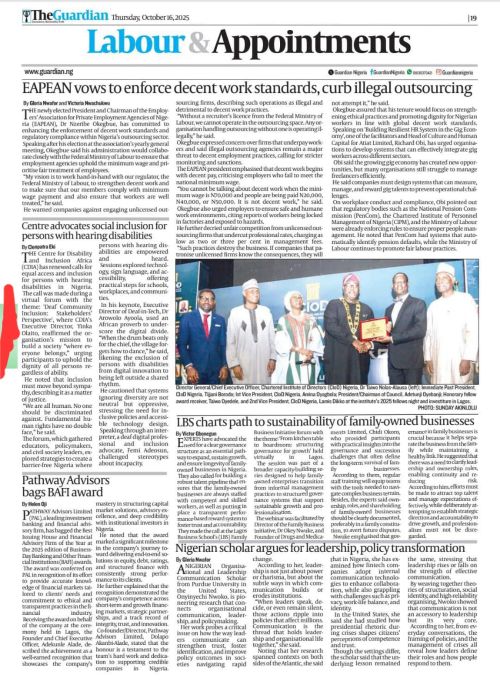
Check our program coverage in today’s @ngrguardianmbl  or read online version https://guardian.ng/appointments/centre-advocates-social-inclusion-for-persons-with-hearing-disabilities/

READ MORE