Beyond Survival: Advancing Dignity, Rights and Economic Inclusion
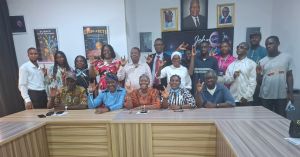
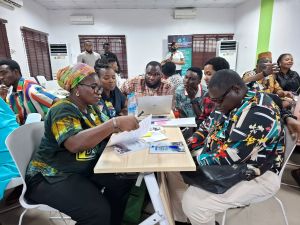
The Centre for Disability and Inclusion Africa (CDIA) convened the October 2026 edition of its Disability Rights Webinar Series to examine the multidimensional nature of poverty among persons with disabilities and explore sustainable pathways towards inclusion, dignity, and equal opportunity.
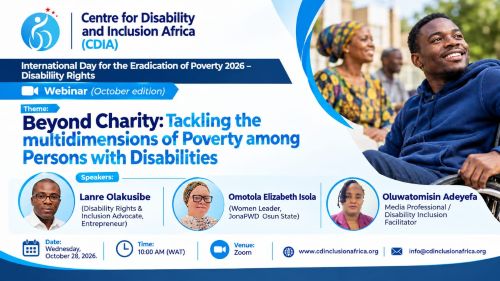
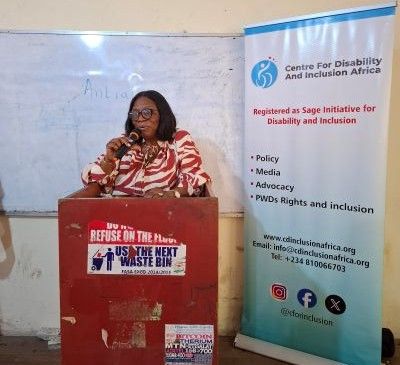
Facilitated by Busola, the webinar brought together disability rights advocates and inclusion practitioners, including Janet (Omotola Elizabeth Ishola), Lanre Olakusibe, and Tomisin Adeyefa, to discuss how poverty extends beyond financial hardship to encompass barriers to education, healthcare, decent work, social protection, accessible housing, justice, food security, and civic participation.
Rethinking Poverty Through a Rights-Based Lens
A central message from the discussion was the need to move beyond charity-driven interventions towards a rights-based approach that addresses the structural barriers perpetuating poverty among persons with disabilities.
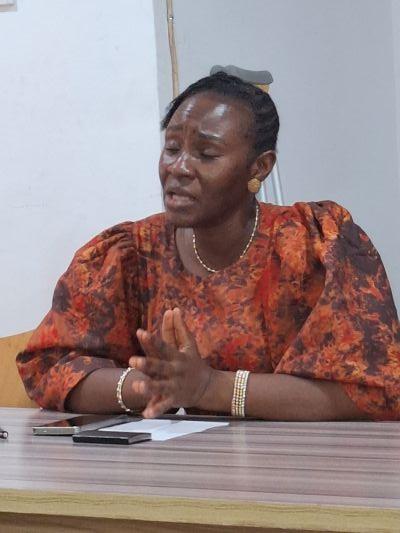
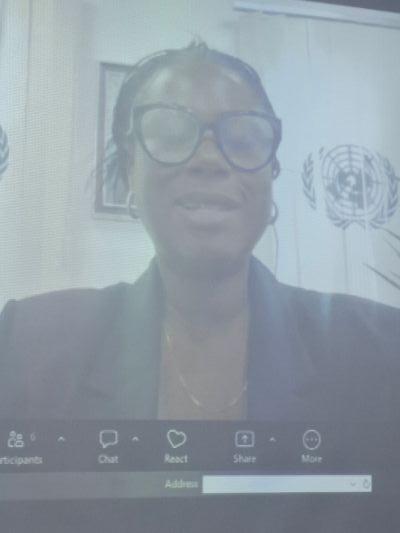
Janet emphasised that exclusion is often reinforced by inaccessible environments, discriminatory institutions, limited economic opportunities, and negative social attitudes. She called for stronger enforcement of disability rights legislation, accessible education, inclusive employment, transparent empowerment programmes, and reliable data to identify those being left behind.
Her message was clear: persons with disabilities deserve equal rights, meaningful opportunities, and the conditions to live with dignity, not simply assistance to survive.
Sharing a personal experience, Lanre Olakusibe recounted being denied a job interview because the building was inaccessible. His experience illustrated how physical barriers can prevent qualified individuals from accessing employment before their abilities are even considered.
He outlined five priorities for reducing disability-related poverty: accessible education and skills development; decent work and employment opportunities; strengthened disability-inclusive social protection; accessible housing and transportation; and the meaningful participation of persons with disabilities in decision-making.
From Temporary Assistance to Sustainable Empowerment
Building on these priorities, Tomisin Adeyefa highlighted the importance of transforming charitable support into structured, accountable, and sustainable empowerment initiatives.
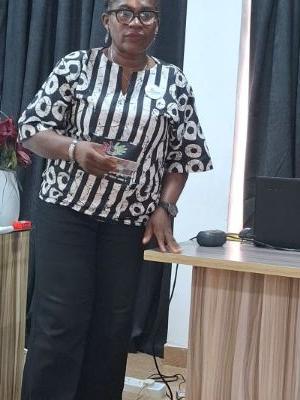
While acknowledging that charity can provide an essential safety net, she stressed that it must be complemented by clear objectives, monitoring, mentorship, and measurable outcomes. She also advocated targeted skills-development programmes linked to employment opportunities, alongside government incentives, such as tax relief, for businesses that employ persons with disabilities.
Participants further raised concerns about weak government channels for poverty reduction, the risk of empowerment programmes being managed by individuals without the necessary accountability, and the importance of transparent implementation.
Rita also emphasised the need to prioritise children with disabilities, noting that early support can foster confidence, independence, and positive attitudes towards participation from a young age.
Building an Inclusive Future Through Collaboration
The webinar concluded with a call for coordinated action among government institutions, the private sector, civil society organisations (CSOs), and organisations of persons with disabilities (OPDs). Participants stressed that effective poverty eradication requires persons with disabilities to be involved not merely as beneficiaries, but as active partners in designing, implementing, and evaluating solutions.
As follow-up actions, CDIA will continue sharing opportunities, including international scholarships for persons with disabilities, through its social media platforms, while webinar recommendations and the session recording will be shared with relevant stakeholders and interested participants.
The October edition reinforced an important principle: disability-inclusive poverty eradication must address systemic barriers, uphold rights, and expand opportunities for meaningful participation. Through sustained collaboration, accountability, and inclusive policies, CDIA remains committed to advancing a society where persons with disabilities can exercise their rights, realise their potential, and participate fully in all aspects of life.