
From Access to Inclusion: Nigeria Universities Must Uphold Disability Rights
Inclusive accommodation within Nigeria’s university system is not an act of charity it is a fundamental human right. Once an institution makes the decision to admit a student with a disability, that decision must automatically translate into full inclusion across academic, social, and residential life. Any form of exclusion or denial of these rights is unacceptable in this day and age and must be firmly discouraged.
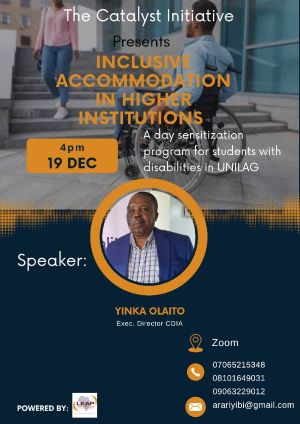
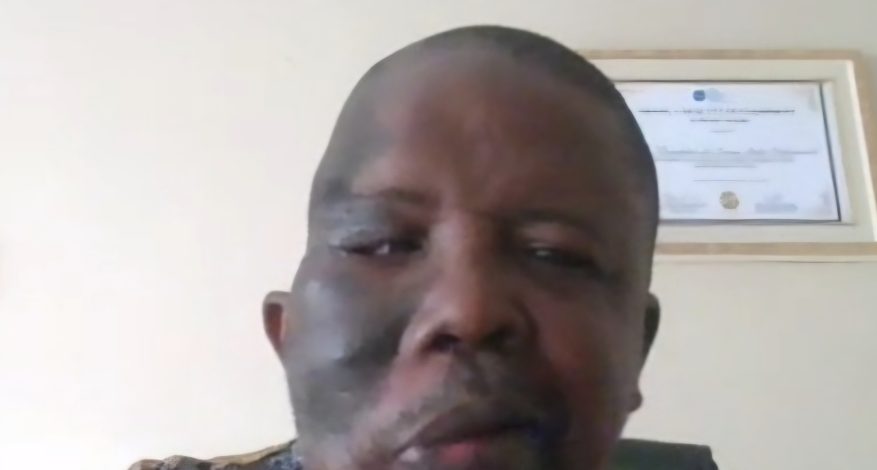
These were some of the key concerns raised by Yinka Olaito, Executive Director of the Centre for Disability and Inclusion Africa (CDIA), during a stakeholders’ meeting convened for students with disabilities at the University of Lagos by The catalyst initiative. The meeting, themed “Inclusive Accommodation in Nigeria’s Higher Institutions,” brought together students, advocates, and disability cluster leaders, with Olaito serving as the lead speaker.
Advocating for Accessible Campus Accommodation
The session focused on the urgent need to improve accessibility and inclusion for students with disabilities within university hostels and campus infrastructure. Discussions explored practical steps such as the establishment of disability-focused units or groups within institutions to address accommodation gaps, policy failures, and systemic barriers.
Olaito emphasized the importance of:Clear and enforceable inclusive accommodation policies, strong legal and institutional frameworks and disability awareness and sensitivity training for university staff and students
Participants were encouraged to assert their rights, demand accountability from university authorities, and work collectively toward the establishment of functional disability desks across campuses. A key outcome of the discussion was a call for the formation of a unified association representing students with disabilities within the university system.
Inclusive Education and Legal Frameworks
Speaking on inclusive education in Nigerian universities, Olaito underscored that students with disabilities have an equal right to access, participation, and dignity. He highlighted the need for coordinated institutional policies, accessible facilities, and the removal of physical, academic, social, and digital barriers that continue to limit participation.
He also pointed participants to existing legal instruments including the Discrimination Against Persons with Disabilities (Prohibition) Act, 2018, as well as relevant international conventions ratified by Nigeria—as powerful tools students can use to advocate for their rights.
The Reality of Disability Accommodations on Campus
Assessing the current state of accommodations in Nigerian universities, Olaito noted that provisions remain largely below acceptable standards. Essential supports such as accessible learning materials, assistive technologies, extended examination time, and disability-friendly hostels are either inadequate or completely absent in many institutions.
He further stressed the importance of disability awareness training to help staff and students better understand the diverse needs across different disability clusters. Anti-discrimination policies, inclusive student activities, and clear reporting mechanisms for rights violations were identified as critical steps toward meaningful inclusion.
Strengthening Disability Structures in Universities
Olaito also called for the institutionalization of disability inclusion through the creation of disability desks and the appointment of dedicated inclusion officers within universities. These structures, he noted, are essential for providing sustained support and ensuring compliance with national and international disability rights standards.
Contributions from student leaders added further depth to the discussion. Ajibade Oluwaseyi, a former president of the National Association of Nigerian Visually Impaired Students, spoke on ongoing efforts to establish a unified association for all students with disabilities at the University of Lagos. Falola, representing students with mobility challenges, emphasized the need for stronger representation and awareness for physically challenged students.
The session concluded with a call for participants to complete a questionnaire and provide feedback to help guide future advocacy and programming.
The Way Forward: Collaboration and Collective Action
In outlining next steps, Olaito emphasized the importance of collaboration in establishing a strong and representative Students with Disabilities Association at the University of Lagos. He reaffirmed CDIA’s commitment to working closely with students and university authorities to achieve this goal.