

Creating Inclusive Cities? Can we make Nigerian cities disability-friendly?
In the hustle and bustle of Nigeria’s urban centres, millions of people navigate through bustling streets, towering buildings, and bustling markets every day. However, for people living with disabilities, this urban landscape often presents significant challenges and barriers to participation in daily life. Inclusive urban planning is crucial to ensure that cities in Nigeria become truly accessible and welcoming to all residents, regardless of their physical abilities.
Unknown to a lot of people, one of the easiest ways to discriminate against people with disabilities is through buildings, road construction designs etc which could either be by inaccessibility or difficulty for PWDs usage. The level of discrimination is also seen transportation system and others which inhibit the movement of people living with disabilities in Nigeria.
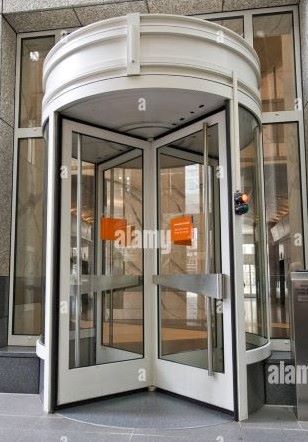
A very good example is the revolving doors commonly used in Nigerian banks. On one hand, these doors are security enclosures that shut off access when metal or weapons are detected, but they have become too small to grant access to PLWD, especially those using wheelchairs. This is a typical scenario of what this Act aims to address.
The United Nations’ Sustainable Development Goals (SDGs) emphasize the importance of leaving no one behind, and this principle applies just as much to urban development. In Nigeria, millions of people with disabilities face daily hurdles in accessing essential services, employment opportunities, and social interactions due to inadequate urban planning and infrastructure.
A Lot of us may have heard that the Discrimination against Persons with Disabilities (Prohibition) Act has been signed into law in Nigeria. Which stipulates that it is now an offence to discriminate against PWDs. Thus, this gives rise to the question; how can we make our urban centre disability-friendly? Many organizations deny PWDs their legitimate rights. Here are examples:
Intra and inter-city transportation challenges: One of the most pressing issues for people with disabilities in Nigerian cities is the lack of accessible transportation. Public transportation systems are often ill-equipped to accommodate wheelchairs, and bus stops and train stations are rarely designed with accessibility in mind. This makes it extremely difficult for individuals with mobility impairments to move around the city independently.
Sidewalk and sideway; Furthermore, sidewalks and pedestrian pathways in many Nigerian cities are riddled with obstacles such as uneven surfaces, potholes, and poorly maintained infrastructure. For individuals with visual impairments or mobility challenges, navigating these environments can be treacherous.
The path to inclusive urban planning in Nigeria requires a multi-faceted approach. It begins with acknowledging the rights of people with disabilities and involving them in the planning and decision-making processes. Their lived experiences are invaluable in identifying the barriers they face and finding effective solutions.

Inclusive design should encompass various aspects of urban life, including transportation, infrastructure, public spaces, and public services. This means ensuring that public buildings and facilities are wheelchair accessible, that signage is provided in Braille and other accessible formats, and that transportation systems are designed with the needs of all residents in mind.
Efforts to create accessible cities have been successful in various parts of the world. For example, cities like Copenhagen and Melbourne have implemented comprehensive accessibility plans that have transformed their urban environments, making them more welcoming to all residents. If we truly care, we(government and other stakeholders) must note:
Inclusive urban planning is not just a matter of convenience; it is a matter of human rights and social justice. Nigerian cities must prioritize accessibility for all, working towards a future where people with disabilities can live, work, and play without barriers.
Stakeholders must collaborate to create, implement right codes, policies: To achieve the vision of inclusive cities., it is imperative that government agencies, city planners, architects, and civil society organizations come together to develop and implement policies and initiatives that prioritize accessibility. This includes enforcing building codes that require accessibility features, investing in accessible transportation infrastructure, and raising awareness about the importance of inclusive urban planning.
As Nigeria continues to grow and urbanize, it must ensure that its cities are designed for everyone, leaving no one behind. Inclusive urban planning is not just a goal; it is a moral imperative, a commitment to building cities where every individual, regardless of their abilities, can thrive and contribute to the vibrant tapestry of urban life.