
5 reasons media should make disability and inclusive reporting a priority
“We all should know that diversity makes for a rich tapestry, and we must understand that all the threads of the tapestry are equal in value no matter their colour” – Maya Angelou.
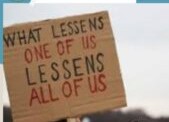
Media has the power to give voices to the voices. This it can do with making disability and inclusion reporting a priority.There’s no true journalism without embracing the transformative power of inclusivity. We live in a world of rich tapestries of people. Inclusive reporting is one mirror that I believe reflects our diverse reality. Marginalized groups, just like every other subset of the world’s population, are humans and have undeniable rights to every provision in the constitution.
The media is a lens through which society views itself and the world. Journalists are in a unique position to influence issues and events and shape public opinion to create perceptions about marginalized populations.
Why Disability and Inclusive Reporting?
1-Visibility and Awareness: Inclusive and disability reporting provides a platform for marginalized voices to be heard. By reporting on issues that concern People with Disabilities (PWDs), they are put in the spotlight. Their achievements are being celebrated, their challenges are being identified, their perceptions and perspectives about issues, events, and policies are being communicated, and their experiences are being shared.
2-Empowerment and Representation: Inclusive reporting addresses language usage, structure of reports, and the ultimate projection of the underrepresented to the broader public. This gives a sense of belonging and boosts positive self-identity which eventually leads to active participation in public affairs. This also gives them the opportunity to tell their stories and shape the narratives.
3-Breaking stereotypes: Inclusive reporting is an effective way of addressing stigma. The media has the transformative power to reshape society’s perception of marginalized people and challenge misconceptions. By projecting positive narratives and a more nuanced understanding of PWD’s, allowing consultation and collaboration, highlighting their achievements and abilities, and challenging derogatory language use, storytellers get to practice true journalism.
4-Public reforms and Advocacy: Inclusive reporting provides active support for marginalised people. It helps raise awareness, influence policies, and create a more just and equitable society. It also helps to critically look at voids in legislation and/or implementation, which ultimately helps to safeguard human rights and drive transformative changes at all levels of society.
5-Disability and inclusive reporting make information accessible to the general public. They allow people to get hold of accurate and factual stories and for underrepresented voices to be heard, which gives an opportunity for a more inclusive and informed state.
The need for disability and inclusive reporting cannot be overemphasised as they have the power to break boundaries, build bridges, and foster understanding. Through this practice, various voices are heard, diverse groups are better represented, people are exposed to new perspectives and ideas, and much stronger and more cohesive communities are built not out of sympathy but empathy.
You’ll agree with me that inclusivity is not only about creating a seat at the table; it is also about ensuring that every voice is heard, valued, and woven into the fabric of society.