
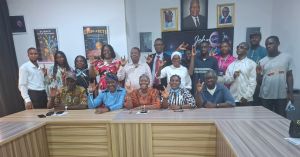
Deaf citizens must speak for themselves and not spoken to, experts warn
“Can you hear me?” is not the same as “Am I understood?”
This was the central message at Nigeria’s commemoration of the International Day of Sign Languages on September 23, 2026, organised by Speaking Fingers Network to celebrate the day and mark the 20th anniversary of the United Nations Convention on the Rights of Persons with Disabilities (UNCRPD).
The event brought together stakeholders from government, the United Nations, civil society and the disability community to reflect on the rights, participation and inclusion of Deaf people.
Delivering the keynote address, Yinka Olaito, Executive Director of the Centre for Disability and Inclusion Africa, challenged society to move beyond Deaf awareness towards recognising and advancing the human rights of Deaf citizens.
Olaito noted that being physically present does not necessarily mean being included. Being heard goes beyond hearing a voice; it means having opportunities for self-expression, access to information, active participation, demanding justice and influencing policies.
“Being heard,” he stressed, “is a human-rights issue, not a favour.”
Communication Exclusion Is Rights Exclusion
According to Olaito, one of the biggest barriers facing Deaf people is not deafness itself, but communication exclusion.
When information is inaccessible, rights become inaccessible.
This exclusion can occur within the justice system, including police reporting, arrest and interrogation, court proceedings and complaint mechanisms. It is also increasingly evident in the digital environment, where the absence of captioning, sign-language interpretation and accessible video content can limit access to essential information and services.
Addressing these barriers requires a fundamental shift—from Deaf people “being spoken for” to speaking for themselves.”
This means ensuring meaningful representation, consultation and involvement in decisions that affect their lives.
Moving from Policy to Participation
Adenike Oyetunde-Lawal, General Manager of the Lagos State Office for Disability Affairs (LASODA), shared some of the agency’s activities and reinforced the need to treat Deaf people as human beings with equal dignity and rights.
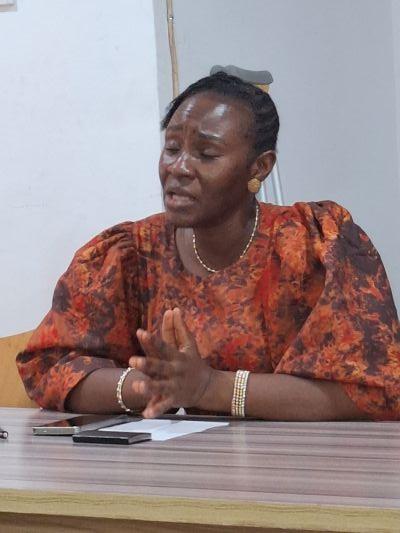
Mrs Oyenike Oyetunde-Lawal, General manager, LASODA
Dr. Adwoa Kufor, Senior Human Rights Adviser at the United Nations High Commissioner for Human Rights in Nigeria, delivered a goodwill message from the UN Secretary-General.
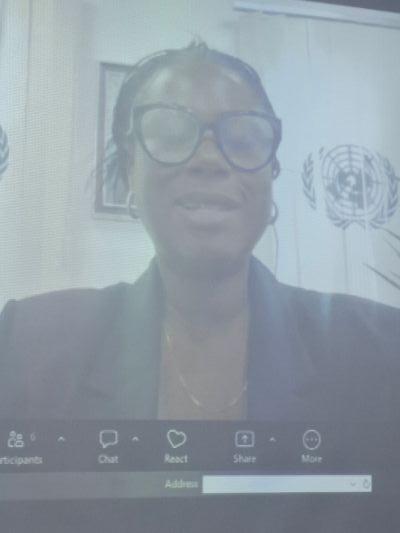
Dr Adwoa Kufor
Dr. Nneka Okafor of the UNESCO Office in Nigeria, who also chairs the UN in Nigeria Disability Technical Group, contributed to the broader conversation on disability inclusion and human rights.
The discussions highlighted an important reality: having a disability law is not the same as experiencing inclusion.
Inclusion is also not about inviting Deaf people into a room after decisions have been made. It is about ensuring they are part of making those decisions.
A Call to Listen and Act
Olaito challenged stakeholders to change the question from “How can we help Deaf people?” to:
What rights are being denied? What barriers are causing the denial? And who is responsible for removing them?
For government and institutions, this means promoting and recognising sign language, investing in interpreters and providing accessible public information. For Deaf organisations and civil society, it means sustained advocacy, documenting rights violations, providing leadership and participating actively in policy development.
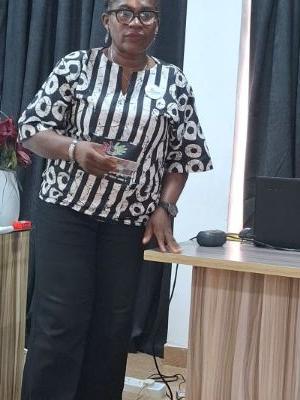
In her welcome address, Treasures Uchegbu the Executive Director of the Speaking Fingers Network, charged participants to appreciate the three-in-one event with all its significance not only in Niegria but across the globe.
The message from the commemoration was clear: societies must prepare to listen.
As Olaito concluded:
“Deaf people are not asking Africa to give them a voice. They are asking Africa to remove the barriers that prevent their voices from being heard.”
The journey from Deaf awareness to Deaf citizens’ human rights begins when society moves beyond awareness and creates the conditions for meaningful participation, equality and justice.